Planning a road trip across Europe can feel like a logistical nightmare, but a few concrete rules turn it into a manageable, wallet‑friendly adventure. First, map your route around a single continent‑wide highway system—like the E75 from Norway to Greece—or cluster nearby countries so you’re not back‑tracking. Second, choose a vehicle that balances fuel efficiency with comfort: a compact car that consumes 5 L/100 km will save you roughly €30 a day on gas versus a larger SUV. Third, book accommodation in advance, aiming for hostels, budget hotels, or even a family’s spare room on a platform that offers a 10‑percent discount for early reservations. These three steps cut the most expensive variables—fuel, lodging, and spontaneous detours—by half.
How can I keep daily expenses low while still enjoying the local culture?
Start by eating where locals eat. Street stalls and small bistros in cities like Porto or Budapest offer meals for €8–€12, compared to €25‑€30 at tourist‑heavy spots. Pack a reusable water bottle; refill it at public fountains to avoid buying bottled water. When it comes to transport within cities, opt for day passes on public transit—often €5–€8—rather than taxis. For sights, many museums offer free entry on the first Sunday of the month; check each city’s tourism website ahead of time. Lastly, keep a small travel journal with a notebook and pen; it’s cheaper than a camera and helps you remember the best local spots you’ll want to revisit.
What are the best strategies for booking cheap flights or trains into and out of the trip?
If you’re flying into a major hub like Paris or Barcelona, search for budget carriers that fly from secondary airports; they can be 30–40% cheaper. Book 6–8 weeks in advance and set price alerts on flight comparison sites. For intra‑European travel, look at rail passes such as the Eurail Global Pass. While the upfront cost can be high, it pays off if you plan to visit at least five different countries—each train segment averages €50, but the pass caps the total at €200. Don’t forget to reserve seats in advance for high‑traffic routes like Berlin to Prague; a €12 seat reservation saves you from a last‑minute surcharge of €30.
How can I balance adventure with safety on a tight budget?
Always keep a roadside emergency kit: spare tire, jumper cables, first‑aid supplies, and a basic tool set. Register your travel plans with your embassy; it’s free and can save you trouble if you need assistance abroad. Download offline maps for each country you’ll visit—Google Maps allows you to save a region for up to 30 days. When you’re in a new city, stick to well‑lit streets after dark and avoid carrying large amounts of cash; use a travel card with zero foreign transaction fees. Finally, keep a spare phone charger in your glove compartment; a dead battery can cost you a night’s stay if you’re stranded.
Can I still enjoy nightlife without overspending?
Choose bars that offer “happy hour” specials, typically 3–5 pm, where drinks drop to €2–€3. Many European cities host free or low‑cost cultural nights—like Vienna’s “KulturNacht” on the first Friday of each month—where you can experience live music and dance for free or a small donation. If you’re staying in a hostel, ask the front desk for local recommendations; they often know about student‑run events that are budget‑friendly.
How does online gaming fit into a budget road trip?
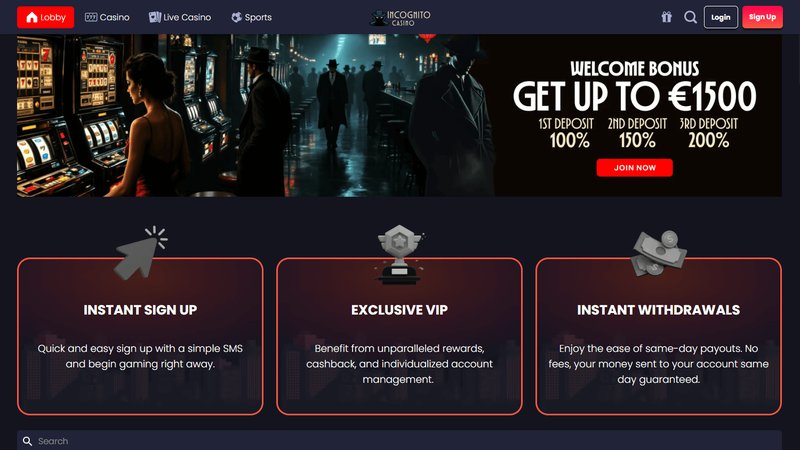
While you’re on the road, a quick break at a nearby café can be a great time to unwind. If you’re looking for a bit of entertainment that won’t dent your budget, you might try a casual session at casino Incognito, which offers a range of low‑stakes games that can be played for free or with modest deposits, making it a harmless way to pass a few hours while you wait for a bus or train. This kind of entertainment can keep you engaged without the high costs of traditional nightlife.
What’s the final checklist before you hit the road?
- Confirm vehicle insurance and roadside assistance coverage.
- Print copies of all reservations and keep digital backups.
- Pack a lightweight, weather‑appropriate wardrobe that can be layered.
- Download essential travel apps: language translator, currency converter, and a local emergency number list.
- Set a daily spending limit and track it with a simple spreadsheet.
With these concrete steps, you’ll be able to traverse Europe’s diverse landscapes, cultures, and cuisines while keeping your budget intact. Happy travels!